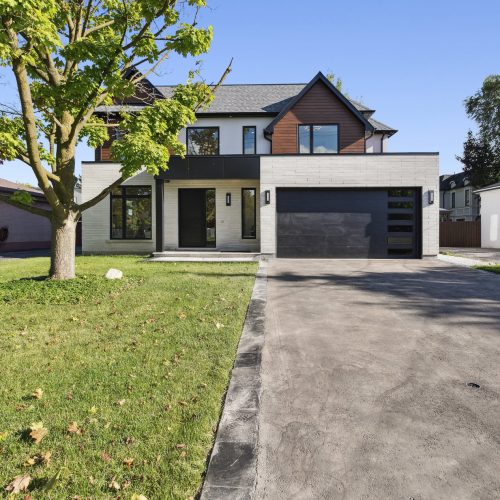

Construction Starts Before Construction
The pre‑construction phase is described as the most important part of the entire project, even though it is the phase owners are most impatient to get through. When planning is rushed, unclear, or incomplete, construction tends to become more stressful, more expensive, and more reactive; when pre‑construction is done correctly, communication, budgets, schedules, and decision‑making all improve.
Pre‑construction is not just “getting plans drawn.” It includes defining the vision, testing feasibility, building the budget, clarifying scope, understanding risk, planning the timeline, selecting the right team, comparing bids, reviewing contracts, and organizing communication and decisions.
Define Your Vision Clearly
Most owners start with images instead of clarity: Pinterest boards, YouTube tours, model homes, and inspiration photos. A beautiful image does not automatically create a clear project, because the real question isn’t “What should it look like?” but “What is this project actually supposed to accomplish?”
You’re encouraged to identify a primary goal—lifestyle, rental income, value-add, family needs, resale, or flexibility—rather than juggling ten competing priorities. Vague language like “nice,” “modern,” or “high‑end” means different things to different people and leads to vague decisions, drifting budgets, and constant changes during construction.

Test Feasibility From Every Angle
Feasibility is one of the most overlooked parts of pre‑construction, because people often move from excitement straight into planning without asking, “Can this project realistically work?” Proper feasibility means checking if the property, budget, city rules, timeline, and your real life can actually support the project—not just emotionally or creatively, but practically.
The content breaks feasibility into legal, physical, financial, practical, and strategic categories. A project might be legally allowed but financially unrealistic, or technically possible but impractical for your lifestyle or timeline, which is why feasibility has to be considered holistically rather than as a single zoning check.
Build a Real Budget, Not a Hopeful Number
The budget chapter explains that most owners carry a number in their head from online research, friends, contractors, or social media—but a hopeful number is not a real project budget. Real budgets require clarity around scope, design, site conditions, utilities, selections, and hidden conditions; early “rough numbers” are directional, not strategic.
Owners often think only in terms of contractor price, but total project cost usually includes architecture, engineering, permits, utility upgrades, site work, consultants, temporary housing, financing, insurance, appliances, landscaping, contingency, and more. Budgets rarely blow up from one catastrophic decision; instead they drift through small upgrades, layout tweaks, extra lighting, corrections, and schedule extensions, which is why structured decision‑making and contingency are non‑negotiable
Avoid the Owner’s Biggest Pre‑Construction Mistakes
One of the biggest mistakes is starting with contractors instead of clarity—calling for bids before the project is well defined. When scope is vague, each contractor fills in the blanks differently, and now you’re trying to compare numbers without understanding what those numbers actually represent.
Other recurring mistakes include treating a rough estimate like a real budget, failing to define scope in detail, choosing mostly on price, and ignoring allowances and exclusions. These patterns lead to drifting budgets, misaligned expectations, hidden costs, and frustration when you discover that key items were never included in the first place.
Create a Project Blueprint
A “project blueprint” is more than drawings; it’s the strategic framework that holds the project together. A strong blueprint captures priorities, decision filters, budget boundaries, scope expectations, communication systems, and long‑term goals so that decisions are made strategically instead of reactively once construction begins.
With a solid blueprint, contractor conversations improve dramatically because you’re no longer approaching them with vague ideas, but with defined scope, clear priorities, feasibility awareness, and documented expectations. The blueprint protects the owner from vague scope, unrealistic budgets, confusing bids, and emotional project drift by reducing confusion before major financial commitments are made.
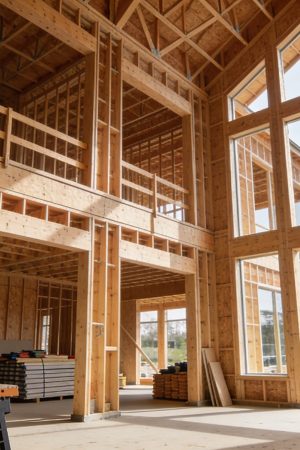
Assemble the Right Team
The series emphasizes that construction is built by people before it is built with materials. Many owners spend more time on finishes than on the team, yet communication, leadership, coordination, problem‑solving, and trust shape the experience as much as the physical work.
Cheap teams often create expensive projects later because low pricing can come from weak planning, poor supervision, incomplete scope understanding, or underestimating complexity. Strong teams, on the other hand, create calm under pressure: they communicate clearly, stay organized, address issues honestly, and reduce chaos instead of adding to it.
Make Sense of Contractor Bids
Contractor bids are described as one of the most confusing parts of the process because owners receive multiple proposals with different prices, assumptions, exclusions, and detail levels. The key insight is that you’re often not comparing contractors; you’re comparing different interpretations of the project when scope isn’t crystal clear.
The lowest bid is not always the lowest cost, since low numbers can hide missing scope, unrealistic allowances, weak supervision, or ignored risks that show up later as change orders and overruns. A strong bid should create clarity by explaining inclusions, exclusions, assumptions, allowances, risks, timelines, payment structure, and how changes will be handled, so that uncertainty is reduced rather than amplified.

Plan for the Construction Phase
Once planning, budgeting, bidding, and contracts are done, construction is where everything becomes real—crews arrive, demolition begins, materials show up, and visible progress starts. Projects that feel organized during construction almost always started with stronger planning beforehand; weak planning is exposed quickly once momentum builds.
Construction generates constant decisions, inspections, deliveries, and unexpected conditions, so most stress comes from uncertainty rather than the work itself. Clear communication systems—who gives updates, how often, how decisions and changes are documented, and how issues are escalated—are essential to keep owners calm and informed instead of overwhelmed.
What Smart Owners Do Before They Build
Across all chapters, the core message is that most project problems don’t begin during construction; they begin long before, with unclear scope, missing structure, poor planning, wrong assumptions, confusing bids, and unrealistic expectations. Smart owners slow down early to define their vision, test feasibility, build realistic budgets, create a blueprint, assemble the right team, and understand bids before committing.
The goal isn’t a perfect, risk‑free project, but a grounded, aligned, and well‑prepared one where you feel clear, structured, intentional, and professionally guided. Before you build the structure, build the clarity—and the team and systems—that will protect your time, money, and peace of mind.